






In 2021, New York Mayor Bill de Blasio reported that New York City alone has more than 50,000 basement apartments. While not all cities have committed to basement apartments to the extent New York has, more cities have started looking at basement units to address housing concerns.
Do you have a basement? Have you thought about converting it into a rental unit? Do you know the regulations you'd need to follow as a basement landlord?
Getting started as a new property investor can be rough, so we'll work with you every step of the way. This article covers the steps you'll need to take to turn that disused basement into a lovely rental apartment.
How to Set Up a Basement Apartment
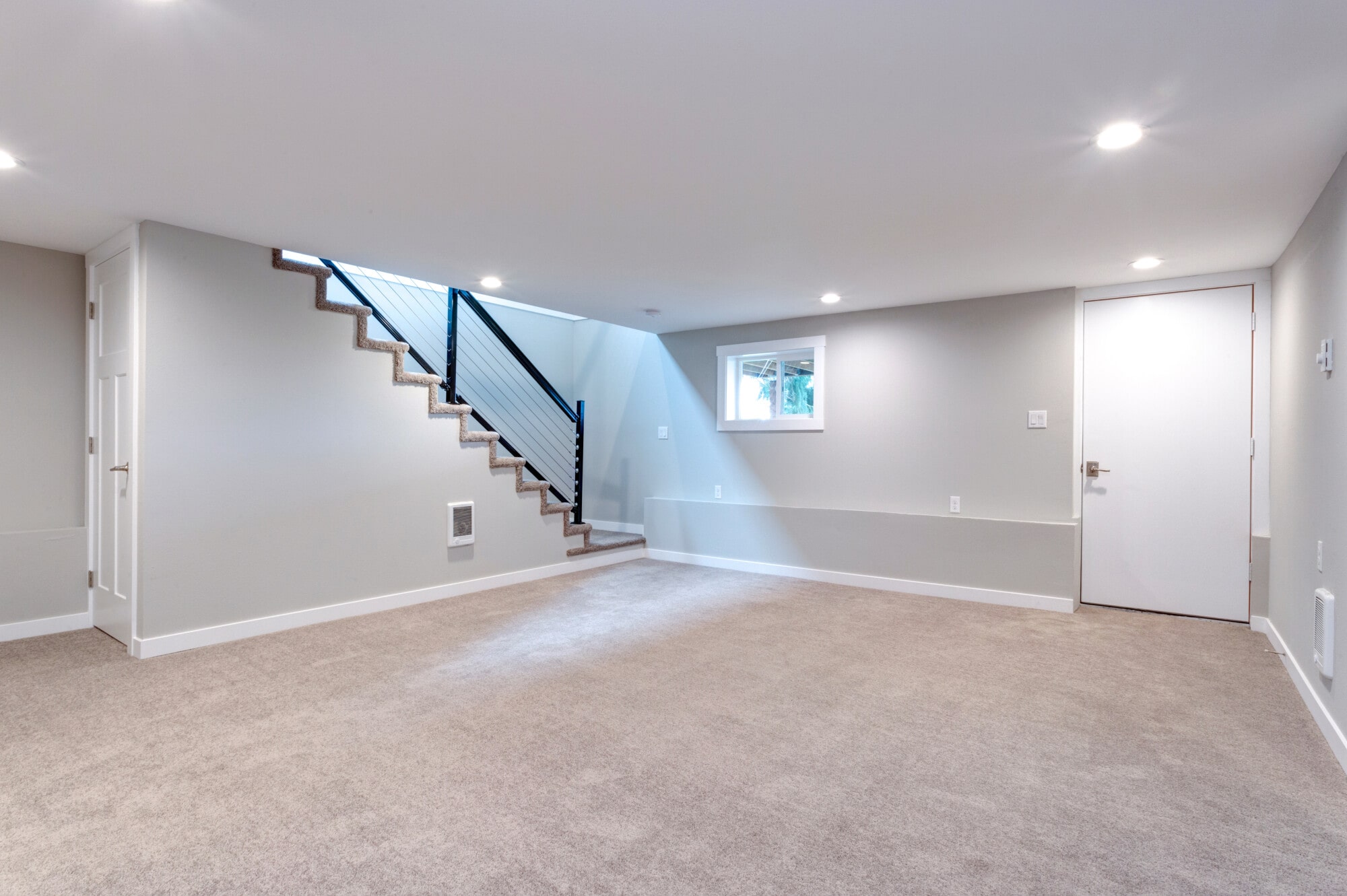
Before you try to rent a basement apartment, you'll need to make sure it meets building codes. The primary code people fall afoul of focuses on making sure you can leave the basement in an emergency.
A basement apartment requires at least two potential exits, which must meet standards set by your municipality for an exit. They can be doors or windows, but several key considerations are set by statute. You will also need to make sure that ceiling heights meet local standards.
If your basement doesn't yet meet these standards, you'll need to make renovations. Renovating a basement to use as an income property can have expensive startup costs. Adding a basement entrance or exit can climb as high as $10,000.
Each of these steps also requires inspections and permits. If you make renovations, you'll have to apply for permits and undergo building assessments. You'll also have to get a Certificate of Occupancy for the basement to make sure it's safe to live in.
Rental Process
Renting a basement apartment works the same as renting out any other room. Whether it's a basement, an attic, or a large apartment complex, how to be a landlord doesn't change.
First, you should prepare the room. Any electric, gas, and plumbing services should be hooked up. You'll also need to make it clear which bathrooms the tenant has access to.
While it's not always mandatory, you should also install a lock on your tenant's door. This gives the tenant security and peace of mind.
Many basement renters will want a furnished rental apartment. If you choose to furnish your apartment, make sure to document the furnishings.
Once you finish, take pictures of everything in the room and the room itself. Allow the tenant to do the same. This protects both of you when the tenant moves out.
Building New Income in Your Basement
A basement apartment can help you build income and use unused space in your home. While renting out basements has gotten a bad rap, as long as you ensure the apartment is safe and fit to live in, it'll be fine.
If you're interested in getting into rentals but don't know where to start, try reaching out to us. Read some testimonials from our clients and learn why we're the best at what we do.